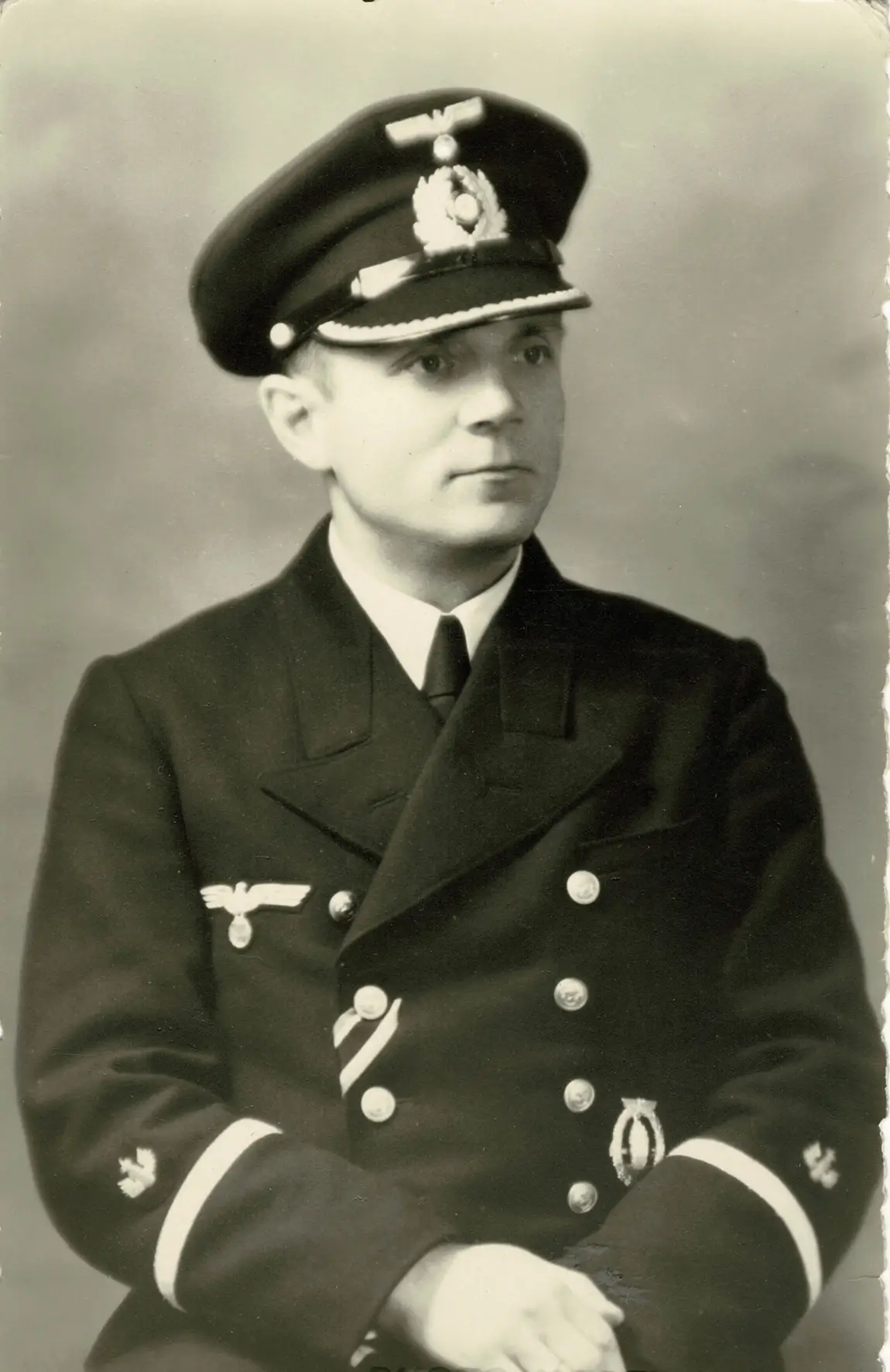
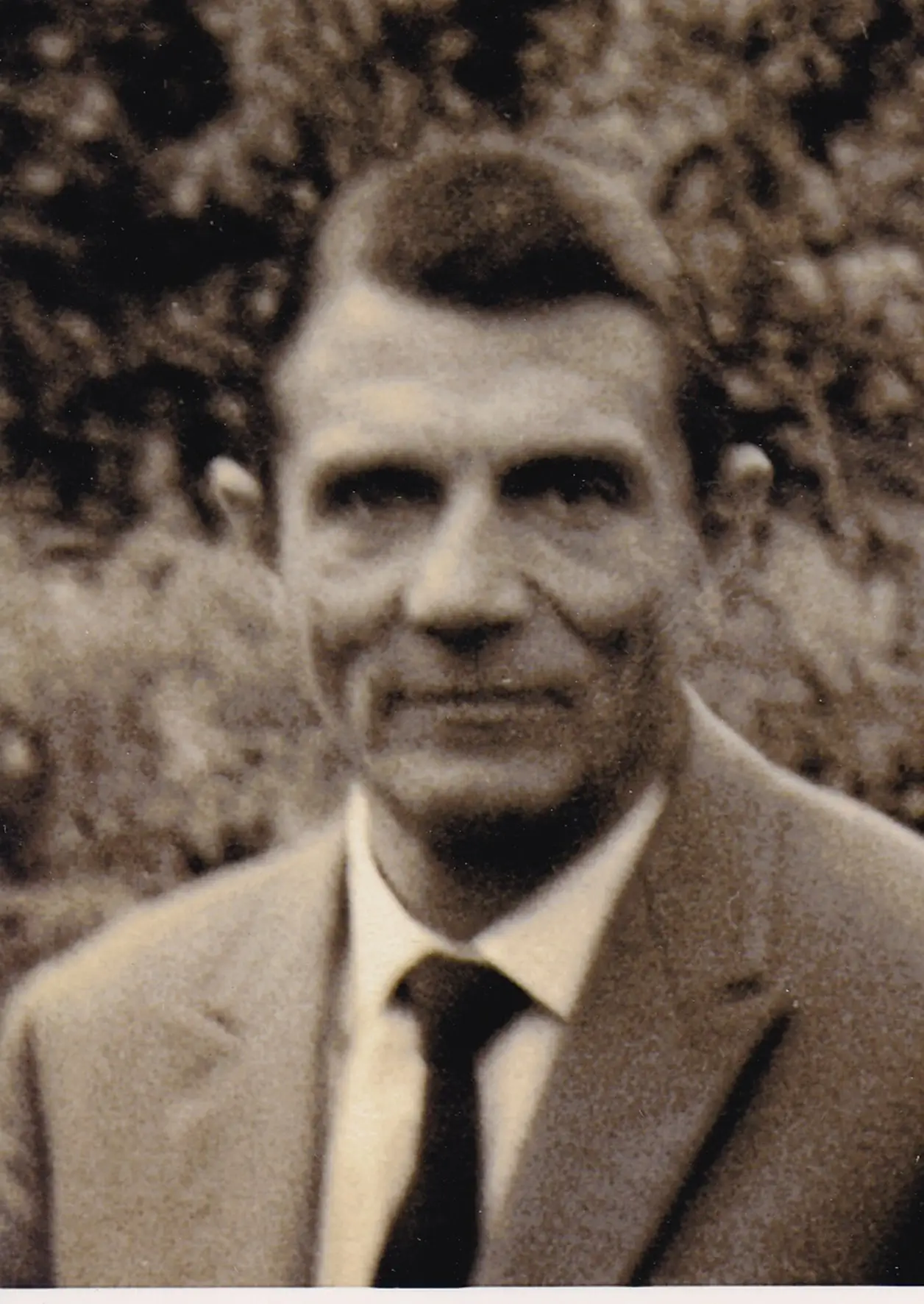
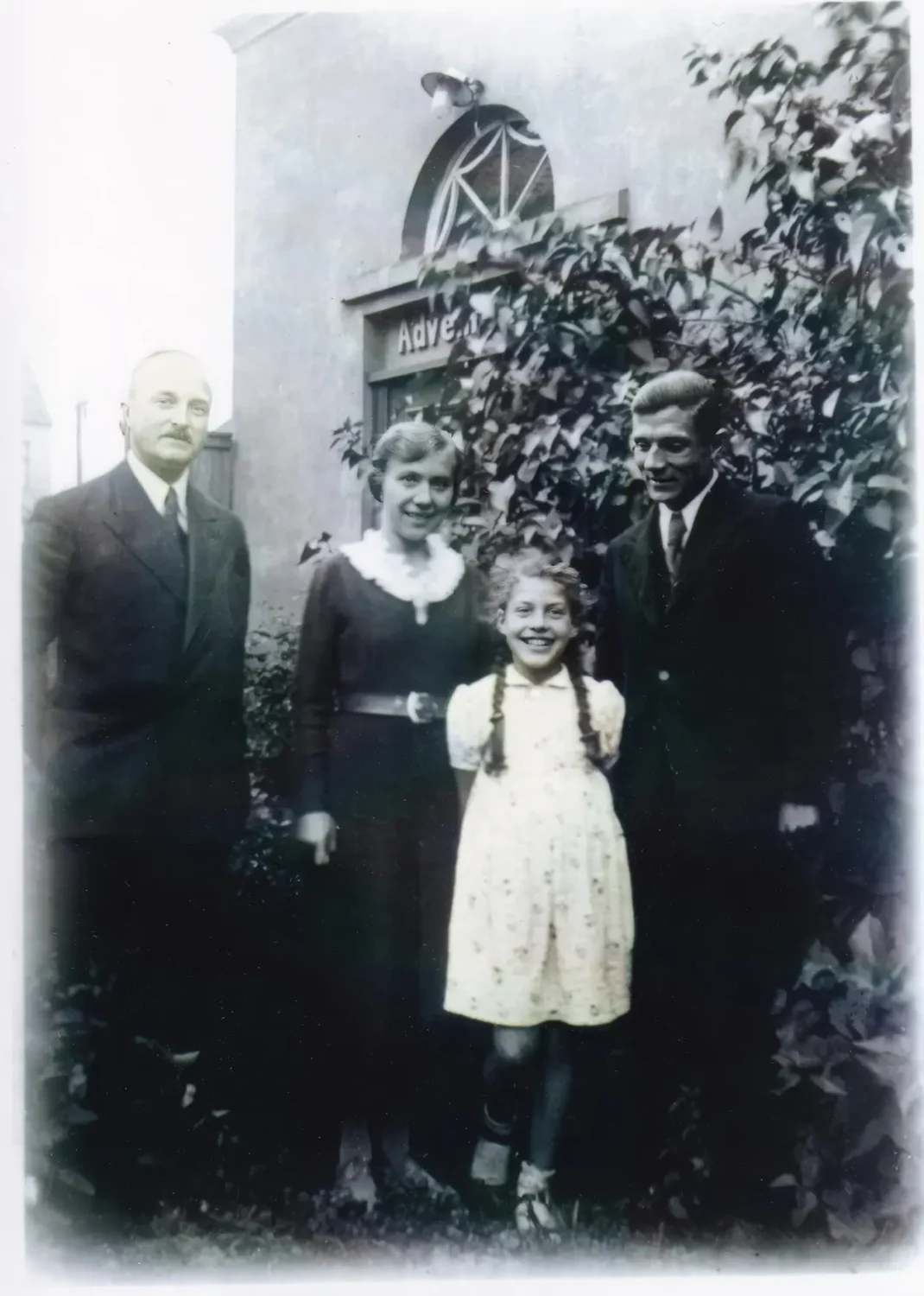
In the Service of Ministerial Training: Dr. phil. Johannes Schwital
08. Jul. 2026 / Science & Research
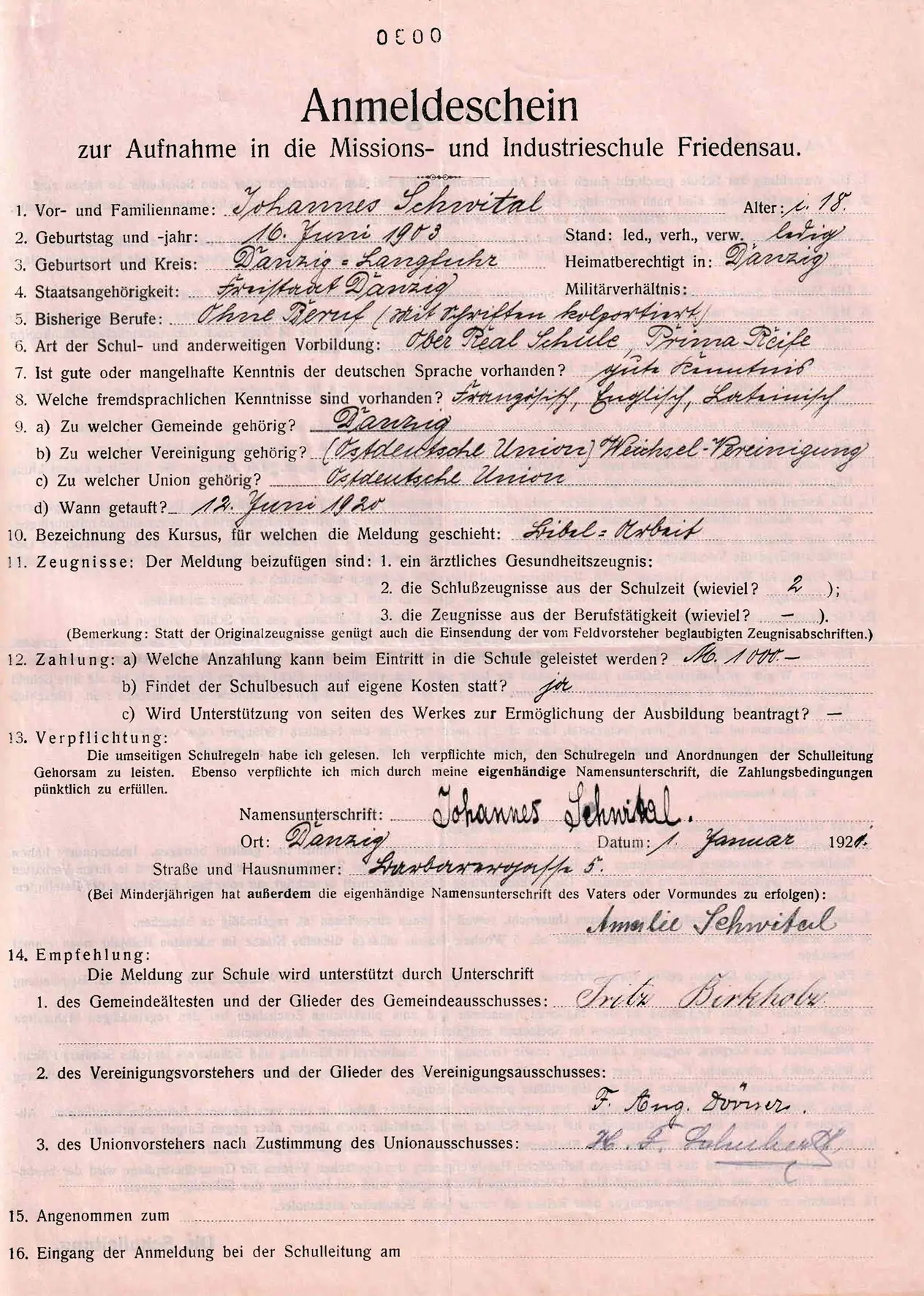
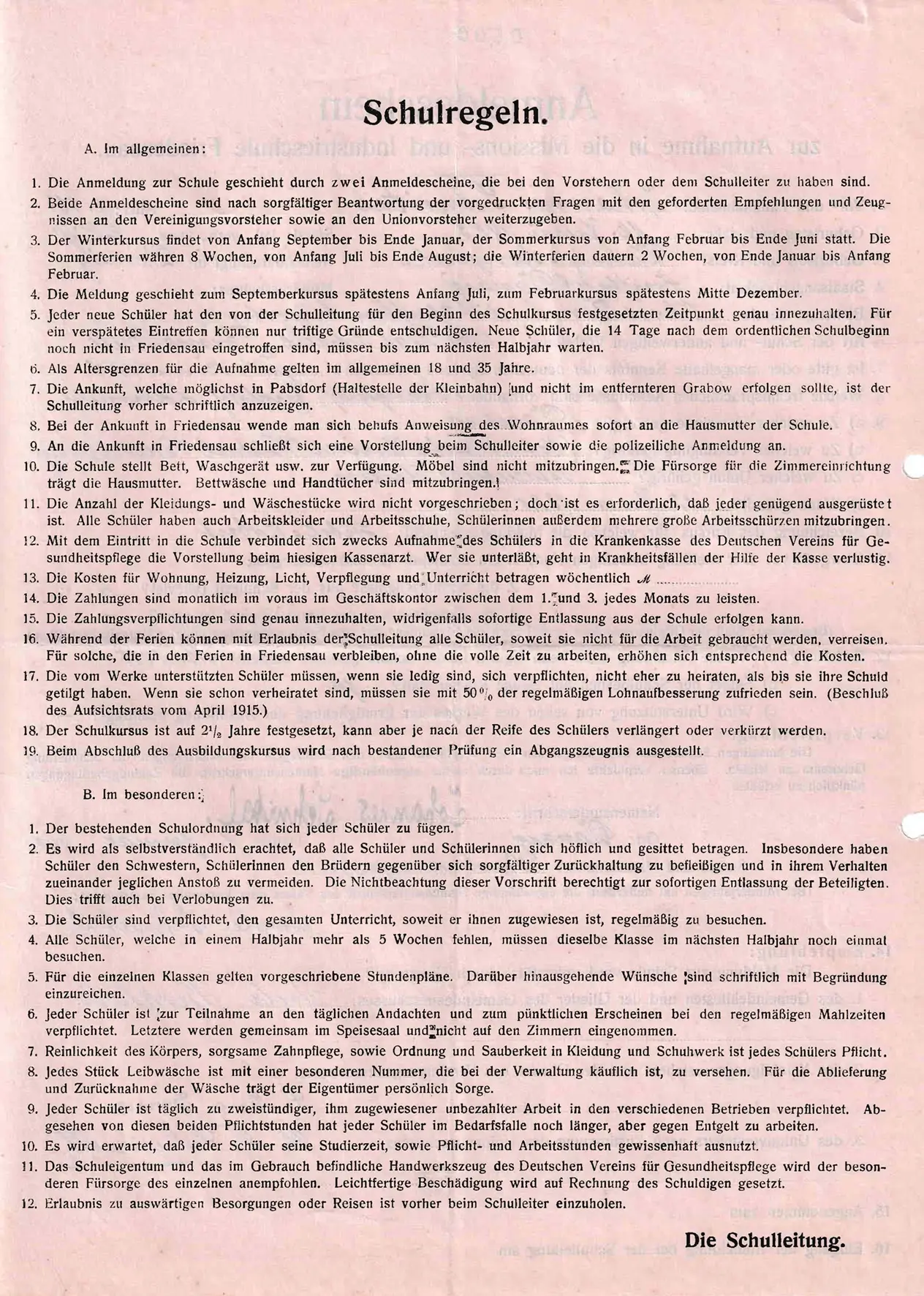
A small plaque on the grave of Erich and Magdalene Tulaszewski at the Waldfriedhof cemetery in Friedensau commemorates him: “In grateful memory: Dr. Johannes Schwital, 1903–1964,” it reads. His training for ministry in the Work began in Friedensau in 1921. Born on June 16, 1903, in Danzig-Langfuhr, he grew up in the vicinity of what would later become the “Free State of Danzig.” His parents, Adolf Carl Hermann and Amalia Dorothea Anna (née Pöhl), ensured he received an excellent education at an Oberrealschule, from which he graduated with the Prima-Reife—an achievement that was exceptional for that time. At a time when the Adventist movement often struggled with the prejudice of a lack of education, his excellent command of Latin, English, and French lent him special academic credibility. Even before his studies at Friedensau, he gained experience as a book evangelist and eventually went to Friedensau at the age of 18 to continue his education.
There he honed his theological skills and received his diploma in May 1925. His file specifically notes that in April 1925 he passed the teaching exam “ ” at the Neuhaldensleben Seminary. This enabled him to begin his ministry as an assistant pastor in his hometown (Königsberg) in 1925. Shortly thereafter, however, he began working as a teacher in Lodenitz near Prague, where from 1926 to 1933 he was particularly involved in establishing the school (see also Adventbote, Nov. 1, 1929, p. 324). His subsequent career is inextricably linked to the history of Adventist education in the 20th century. From 1935 to 1937, he served as principal in Kamenitz near Bielitz (Poland), the predecessor of today’s Adventist university. After the war, he was tasked with establishing the Neanderthal Ministerial Seminary (1948–1952), which he revived under the most difficult circumstances.* Eventually, the school was relocated to Marienhöhe, where he served until his death in 1964. In between, he spent several years serving as a pastor (1933–35 in Brno, 1937–41 in Memel, Lithuania, and 1945–48 in Kiel). In 1961, he finally successfully defended his dissertation at the University of Frankfurt, titled “The Mainstream Church and the Sect: A Study of the Sect’s Self-Conception,” and earned the degree “Dr. phil.”
His legacy is to be found above all in the work of his students. He was able to pass on his vast knowledge of the Bible at the many places where he served. At the same time, we know little about the practical challenges and tensions that he and his contemporaries had to face. There are often significant gaps in the record, and in this case, we know only that he served in the navy during the war—in the medical corps, first as a lieutenant and then as an aide-de-camp. Many details of his international postings and personal correspondence have been lost or remain undiscovered and could provide clues as to what we can learn from such difficult times. Thus, even with just a few pieces of information, the “mystery” posed at the beginning can be solved: Magdalene Tulaszewski (1901–1982) was Johannes Schwital’s sister. His second sister, Ruth, married Wilhelm Czembor, who later became president of the Polish Association; in the GDR, he developed the Friedensau Bible Study Course into a highly successful missionary tool and oversaw it for many years. He is also commemorated on that memorial plaque. However, many other questions remain (for now) unanswered.
Bernd Müller, Ph.D., Director of the Historical Archives
* See his reports on this subject in the *Adventbote*: March 1, 1949, p. 44ff.; June 15, 1959, p. 187; August 1, 1950, p. 235; December 1, 1950, p. 362; June 1, 1951, p. 171; August 15, 1951, p. 251; November 1, 1951, p. 333; February 15, 1952, p. 61; July 15, 1952, p. 221.